

Imagine waking up every morning with perfectly applied makeup, your eyebrows flawlessly shaped, your eyeliner sharp and precise, and your lips tinted with a natural hue that enhances your smile. This dream can be your reality with permanent makeup, a beauty innovation that’s transforming daily routines across the globe.
But what exactly is permanent makeup, and why is it gaining such popularity? Let’s dive into the world of cosmetic tattooing to discover how it can simplify your life and boost your confidence.
Understanding Permanent Makeup
What is Permanent Makeup?
Permanent makeup, also known as cosmetic tattooing, involves the application of pigment into the skin’s dermal layer. This technique is used to enhance facial features such as eyebrows, eyelids, and lips, mimicking the appearance of makeup. The result? A flawless look that lasts for years, reducing the need for daily makeup application.
Common Types of Permanent Makeup
- Eyebrow Microblading/Powdering: For full, natural-looking eyebrows.
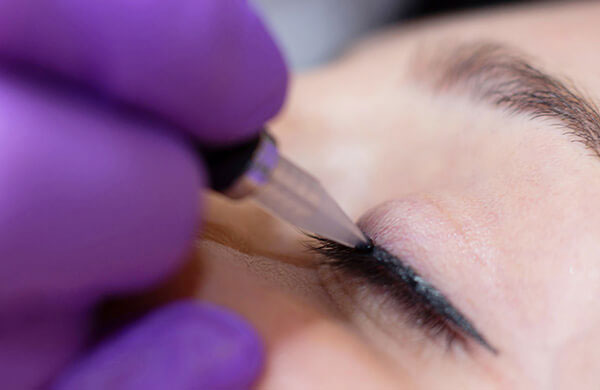
- Eyeliner Tattooing: To define the eyes with a soft or dramatic line.
- Lip Blushing: To enhance the natural lip color and shape.
The Benefits of Permanent Makeup
Time-Saving Wonders
The most obvious benefit of permanent makeup is the amount of time it saves. No longer will you spend precious minutes each morning applying and perfecting your makeup. With cosmetic tattooing, you’re always ready to go.
Consistent Beauty
Permanent makeup ensures that your favorite features are beautifully enhanced 24/7, in a way that’s consistent and natural-looking. It’s beauty that doesn’t wash off at the end of the day.
Boost in Confidence
Knowing you look your best at all times can significantly boost your self-esteem. Whether you’re at the gym, waking up, or stepping out of the shower, permanent makeup maintains your ideal look without any effort.
Who is the Ideal Candidate for Permanent Makeup?
Considering Your Lifestyle and Needs
Permanent makeup is a boon for those with hectic schedules, active lifestyles, or anyone looking for ways to streamline their daily routines. It’s also a game-changer for individuals with physical difficulties that make applying makeup a challenge.
Health and Skin Considerations
Ideal candidates are in good health and have skin types that can heal well from the tattooing process. It’s essential to discuss any skin conditions or health concerns with a professional before proceeding.
Choosing the Right Technician
Qualifications to Look For
Certification in cosmetic tattooing and a solid portfolio of before-and-after photos are must-haves. Your technician should also have a thorough understanding of color theory and facial anatomy.
Questions to Ask During Your Consultation
- What is your experience and training?
- Can I see examples of your work?
- What can I expect in terms of pain and healing time?
- How do you ensure the safety and sterility of your equipment?
The Permanent Makeup Procedure
Before the Procedure
A consultation to discuss your goals and any concerns you have is crucial. You’ll also need to follow pre-procedure instructions, such as avoiding certain medications or alcohol, which can affect the outcome.
During the Procedure
The procedure’s length varies depending on the area being treated but typically lasts between one to three hours. While there may be some discomfort, most technicians use numbing agents to minimize pain.
Aftercare and Healing
Proper aftercare is crucial for the best results and longevity of your permanent makeup. This includes keeping the area clean, avoiding certain skincare products, and protecting the skin from the sun.
Maintaining Your Permanent Makeup
Longevity and Touch-Ups
While permanent makeup can last several years, touch-ups may be necessary to maintain the intensity of color and crispness of lines. The frequency of touch-ups depends on factors like skin type, lifestyle, and sun exposure.
Skincare with Permanent Makeup
Using gentle, non-exfoliating skincare products and protecting the skin from sun exposure are key to maintaining the vibrancy of your permanent makeup.
Risks and Considerations
Possible Side Effects
Though rare, some individuals may experience side effects such as swelling, bruising, or allergic reactions. Choosing a skilled and experienced technician minimizes these risks.
Making an Informed Decision
Understanding the benefits, risks, and maintenance of permanent makeup is crucial. Always consult with a professional to ensure it’s the right choice for you.
The Cost of Permanent Makeup
Investment vs. Long-Term Benefits
The cost of permanent makeup can vary widely but consider it an investment in your beauty and time. When comparing costs, factor in the savings from not purchasing traditional makeup products and the time you’ll save.
Permanent Makeup: Final Thoughts
Permanent makeup offers a revolutionary way to enhance your natural beauty, simplify your daily routine, and boost your confidence. By carefully choosing the right technician and understanding the procedure, aftercare, and maintenance, you can enjoy the lasting benefits of cosmetic tattooing. Whether you’re looking to save time, streamline your beauty routine, or ensure your features are perfectly enhanced at all times, permanent makeup might be the solution you’ve been searching for.
Frequently Asked Questions
How long does permanent makeup last?
- Typically, permanent makeup can last anywhere from one to five years, depending on the area treated, the pigment used, and your lifestyle.
Is the procedure painful?
- Discomfort varies by individual and area treated but is generally minimal due to the use of numbing agents.
Can permanent makeup be removed?
- Yes, through laser treatment or other removal techniques, but it’s best to consider permanent makeup as a long-term commitment. Magnetic tattoo removal is the most recent innovation and can overcome the limits of lasers.
How do I choose the right color?
- A skilled technician will work with you to select colors that complement your natural skin tone and meet your aesthetic goals.
What is the recovery time?
- Recovery varies but typically involves a few days of swelling and redness, with complete healing taking up to four weeks.
